bad breath

top-10-dental-myths-dentist-explaining-truth-to-patient-in-clinic-dr-sakets-dental-makeover

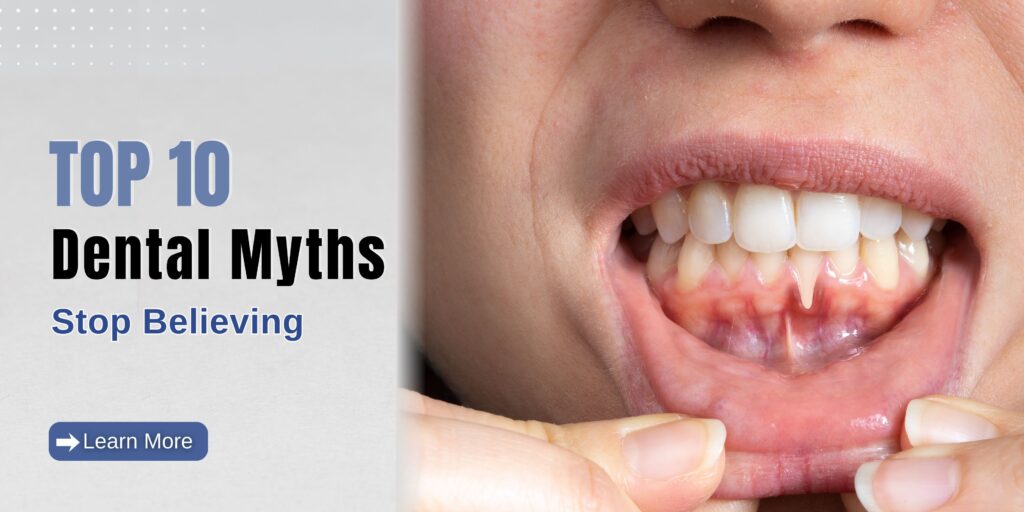
Top 10 Dental Myths to Stop Believing | Dr. Saket

Have you ever stopped to question whether that “helpful” dental advice passed down by a family member is actually true? With old traditions, half-heard tips, and viral social media trends everywhere, people often pick up mixed messages about oral care. Unfortunately, following these common dental myths can lead to preventable problems such as tooth decay, gum disease, bad breath, and even expensive dental treatments later on.

This guide clears the confusion. It explains why dental myths spread so quickly and breaks down ten of the most common myths using simple, accurate, evidence-based facts. Understanding the truth behind these myths is the first step toward smarter choices and better long-term oral health.

Top 10 Dental Myths You Should Stop Believing

The most important thing to understand is this: many common dental myths are not just harmless beliefs. They can delay treatment, increase pain, and even lead to tooth loss. When patients follow dental myths instead of real advice from a dentist, they risk their oral health and overall well-being. That’s why the team at Dr. Saket’s Dental Makeover focuses on educating patients and clearing these dental myths in a simple, friendly way.

10 Common Dental Myths Debunked

Myth 1: “Brushing harder cleans your teeth better.”

Reality: Brushing harder does not clean better; it damages the enamel and irritates gums. A soft-bristled brush, gentle pressure, and proper technique are enough to remove plaque. Dentists at Dr Saket’s Dental Makeover often see patients with sensitive teeth because of this dental myth.

Myth 2: “Sugar is the only cause of cavities.”

Reality: Sugar is a big factor, but it’s not the only one. Cavities form when bacteria feed on leftover food and produce acids that attack the tooth surface. Sticky snacks, acidic drinks, poor brushing habits, and not visiting the dentist regularly also play a role. So, focusing only on sugar is another misleading dental myth.

Myth 3: “If my gums bleed, I should stop flossing.”

Reality: Bleeding gums are usually a sign of inflammation, not a sign to stop flossing. In fact, gentle and regular flossing helps clean between teeth and reduce gum bleeding over time. Stopping flossing allows more plaque to build up and can make the problem worse.

Myth 4: “If my teeth look healthy and don’t hurt, everything is fine.”

Reality: Many dental problems start silently. Cavities, gum disease, and early infections often don’t cause pain at first. By the time pain appears, the issue may be advanced. This dental myth leads people to skip regular check-ups. Dentists at Dr Saket’s Dental Makeover often detect hidden problems during routine exams long before they become painful.

Myth 5: “Baby teeth don’t matter they fall out anyway.”

Reality: Baby teeth act like guides for permanent teeth, helping in proper chewing, speech development, and jaw growth. If baby teeth decay or fall out prematurely, it can lead to crowding or misalignment later. Treating baby teeth properly is essential, and ignoring them because of this dental myth can create big problems for a child’s future smile.

Myth 6: “Chewing gum can replace brushing.”

Reality: Sugar-free chewing gum can help increase saliva and reduce food particles, but it can never replace brushing and flossing. Gum does not remove sticky plaque from tooth surfaces and gum lines. It may freshen breath for a short time, but relying on this dental myth leads to poor cleaning.

Myth 7: “White teeth are healthy teeth.”

Reality: Colour is not the full story. Teeth can be naturally slightly yellow and still be strong and healthy. At the same time, very white teeth may still have cavities or gum disease. Only a dental check-up can tell if teeth are truly healthy. Believing this dental myth can make people focus only on whitening, not on real oral health.

Myth 8: “Charcoal toothpaste is safer and better for whitening.”

Reality: Charcoal toothpaste is often harsh and abrasive. It can wear down enamel, making teeth more sensitive and even more yellow over time because the inner layer becomes exposed. Many charcoal products are not tested or recommended by dentists. This popular dental myth can quietly harm the smile instead of improving it.

Myth 9: “You should brush right after eating.”

Reality: Brushing immediately after eating acidic foods or drinks (like citrus fruits or soft drinks) can push the acid deeper into the enamel and weaken it. Dentists usually suggest waiting about 30 minutes, rinsing with water first, and then brushing. This helps protect enamel and keep teeth strong.

Myth 10: “Rinsing after brushing is necessary.”

Reality: Many people rinse their mouths with lots of water right after brushing. This washes away the fluoride from the toothpaste that is meant to stay on teeth and protect them. Spitting out the foam but not heavy rinsing allows the fluoride to keep working longer. This simple change can greatly improve protection against cavities and is a helpful correction to a common dental myth.

Your Oral Health and Your Body

Oral health is closely linked to overall health. Untreated gum disease and infections can affect blood sugar control in diabetes, increase inflammation in the body, and may be linked to heart problems. When patients follow dental myths instead of proper care, they risk more than just their teeth.

Regular check-ups at a trusted clinic like Dr Saket’s Dental Makeover help detect issues early and protect overall health, not just the smile.

How to Identify Reliable Dental Information

To avoid dental myths and confusion, patients can:

Check if the advice comes from qualified dentists or professional dental bodies.

Be cautious of “magic” home remedies that promise instant results.

Compare information on more than one trusted health website.

Ask their dentist directly during appointments.

Simple questions like “Is this safe?” or “Is this just another dental myth?” can open helpful conversations.

Frequently Asked Questions

Are dental myths harmful to oral health?

Yes. Many dental myths lead to poor habits such as aggressive brushing, incorrect cleaning methods, or delaying treatment. These can cause gum disease, cavities, and enamel erosion. Evidence-based dental care recommended by professionals like Dr. Saket’s Dental Makeover prevents these issues.

Is brushing harder better for cleaning teeth?

No. Hard brushing wears down enamel and irritates the gums. A soft toothbrush and gentle circular motions clean teeth effectively without damaging them.

Does sugar alone cause cavities?

No. Cavities form when bacteria feed on any food particles—including starchy foods and acidic drinks. Frequent snacking and poor brushing habits also increase decay risk.

Should I stop flossing if my gums bleed?

No. Bleeding gums usually mean inflammation due to plaque buildup. Gentle daily flossing helps reduce bleeding over time and keeps gums healthy.

Are white teeth always healthy teeth?

Not necessarily. A tooth can look bright and white but still have cavities or gum infections. Colour does not always reflect true oral health.

Is chewing gum a substitute for brushing?

No. Sugar-free gum can freshen breath and boost saliva flow, but it cannot remove plaque. Brushing twice a day and flossing are still essential.

Should I brush my teeth right after eating?

Not if the meal was acidic. Acidic foods and drinks soften the enamel, and brushing immediately after can cause erosion. Waiting 30 minutes protects enamel.

Do baby teeth matter if they fall out anyway?

Yes. Baby teeth help with chewing, speech, and guiding permanent teeth into proper alignment. Ignoring them can lead to spacing, crowding, and bite problems later.

Is charcoal toothpaste safe for whitening?

No. Charcoal toothpaste is abrasive and can erode enamel, causing sensitivity and long-term damage. Dentists recommend fluoride toothpaste for safe whitening.

Do I need to rinse my mouth after brushing?

No. Rinsing washes away the protective fluoride from toothpaste. Spit out the foam and avoid rinsing with water for best results.

How often should someone visit the dentist?

Most people benefit from a dental check-up every six months. Regular visits help detect problems early before they become painful or expensive.

Are dental treatments always painful?

No. Modern dentistry uses effective local anaesthesia. Most treatments, including cleanings, fillings, and root canals, are generally comfortable. At Dr. Saket’s Dental Makeover, a patient-friendly approach helps keep procedures stress-free.

Do professional cleanings make teeth loose?

No. Cleaning removes plaque and tartar that weaken the support of teeth. The process helps strengthen oral health and prevent gum disease.

Schedule Your Consultation Today

Get the Right Facts. Protect Your Smile with Expert Dental Guidance.

Now that you understand how common dental myths spread and how they can quietly harm your teeth and gums, the next step is choosing the right dental care backed by real science, not misinformation.

At Dr Saket’s Dental Makeover, patients receive clear, evidence-based advice to replace confusion with confidence. Whether you’re worried about bleeding gums, sensitivity, cavities, enamel damage, or simply want to upgrade your daily oral hygiene routine, the clinic offers personalised guidance to help you make informed decisions.

Led by Dr Saket Gaurav, the clinic focuses on modern diagnostics, gentle techniques, preventive care, and patient education. Every treatment, from routine cleaning to advanced procedures, is explained in simple terms so you know exactly what is happening and why.

Dental myths shouldn’t shape your oral habits or delay the care you truly need.
Get trusted, science-backed support tailored to your unique smile.

📞 Call: 7290053530
🌐 Visit: https://dentalmakeover.in/

Schedule your preventive dental check-up today and take the first step toward a healthier, brighter smile with Dr. Saket’s Dental Makeover.

painless-dental-treatment-in-indirapuram

Missing Teeth Issues | Affordable Dental Implants & Bridges

Missing Teeth? Here’s Why You Shouldn’t Ignore the Problem

The Silent Impact of Missing Teeth

When people lose a tooth, many think it’s just a cosmetic issue. However, ignoring missing teeth can lead to far more serious problems, affecting your oral health, speech, digestion, and even your facial structure. Whether it’s due to injury, decay, or gum disease, addressing tooth loss on time is crucial. With advanced treatments such as dental implants in Indirapuram, dental crowns and bridges in Ghaziabad, and Invisalign braces, modern, painless solutions are available at the best dental clinic in Indirapuram to restore both function and confidence.

Why You Should Never Ignore Missing Teeth

1. Jawbone Deterioration

Teeth play an important role in stimulating the jawbone. When one is missing, the bone beneath starts shrinking, which can eventually lead to facial sagging and premature aging.

2. Shifting of Surrounding Teeth

When a gap exists, nearby teeth shift due to the extra space. This misalignment not only affects your bite but may also lead to crowding, gum problems, and difficulty cleaning properly.

3. Problems with Chewing and Digestion

During food digestion, each tooth contributes to the process. Missing teeth force you to chew less effectively, leading to digestive issues over time.

4. Speech Impairments

Gaps in your smile can alter the way you pronounce words, leading to speech difficulties and affecting your confidence.

5. Aesthetics and Confidence

A missing tooth—especially in the front—can make people hesitant to smile or speak freely. This directly impacts self-esteem and social interactions.

Read more: Before & After Smile Makeovers | Best Dentist in Indirapuram – Dr. Saket

Modern Solutions for Missing Teeth

Dental Implants in Indirapuram – The Gold Standard

Among the best solutions for missing teeth, dental implants are widely considered to be the best. Your original teeth are just as durable, natural-looking, and functional. At the best dental clinic in Indirapuram, implants are placed with precision to ensure comfort and long-lasting results.

Benefits of Dental Implants:

Prevent bone loss by stimulating the jaw

  • Look and feel natural
  • Do not affect adjacent teeth
  • Long-term durability and high success rate

Dental Crowns and Bridges in Ghaziabad – Affordable and Reliable

If implants are not an option, dental crowns and bridges in Ghaziabad offer an effective way to replace missing teeth. Crowns are caps placed on weak or damaged teeth, while bridges literally “bridge” the gap caused by tooth loss.

Why Choose Crowns & Bridges:

  • Cost-effective solution
  • Restores chewing function
  • Improves smile aesthetics
  • Quick treatment process

Invisalign Braces – Correcting Misalignment

In some cases, tooth loss causes nearby teeth to shift or crowd. This misalignment can be corrected with Invisalign braces, a modern alternative to traditional metal braces. Both adults and teenagers can wear them comfortably, as they are transparent and removable.

Advantages of Invisalign:

  • Virtually invisible design
  • No dietary restrictions
  • Easier oral hygiene
  • Gradual and comfortable alignment

Why Choose the Best Dental Clinic in Indirapuram?

Not all dental treatments are the same. Success depends on the expertise of the dentist, the quality of materials used, and the technology available. The best dental clinic in Indirapuram offers advanced diagnostic tools, personalized treatment plans, and a patient-friendly environment. Whether you need dental implants, crowns, bridges, or Invisalign, having a trusted clinic ensures safe and predictable results.

Preventive Care Matters Too

While replacements are available, preventing tooth loss in the first place is equally important. Regular dental check-ups, proper brushing, flossing, and avoiding excessive sugar can significantly reduce the risk of decay and gum disease.

Final Thoughts

Missing teeth are more than just a cosmetic inconvenience—they can compromise oral health, overall health, and self-confidence. Thankfully, solutions like dental implants in Indirapuram, dental crowns and bridges in Ghaziabad, and Invisalign braces make it possible to restore your smile with comfort and precision. The first step is choosing the best dental clinic in Indirapuram to get expert advice and treatment tailored to your needs.

Don’t wait until complications arise. Addressing missing teeth early can save you from long-term health problems and give you back the confidence to smile without hesitation.

Best-dentist-near-me-for-root-canal-and-tooth-extraction-treatments

Root Canal vs Tooth Extraction | Expert Dental Care

Root Canal vs Tooth Extraction: How to Choose the Right Dental Treatment

What You Need to Know First

Tooth pain can be unbearable, and when damage is severe, your dentist may recommend either a root canal or a tooth extraction. But how do you know which one is right for you? Understanding both treatments will help you make an informed choice.

If you’re searching for painless dental treatment in Indirapuram or looking for the best dentist near you for expert advice, this guide is for you.

The Quick Difference

  • Root Canal Treatment (RCT): Saves your natural tooth by removing infected pulp, cleaning the inside, and sealing it.
  • Tooth Extraction: Removes the tooth completely, often followed by replacement options like implants or bridges.

When is Root Canal Treatment Recommended?

Root canal treatment is usually suggested when the tooth is salvageable but infected or severely decayed.

Signs You May Need a Root Canal

  • Persistent toothache or sensitivity
  • Swelling around the gums
  • Discoloration of the tooth
  • Small abscess or pimple-like bump on the gums

Benefits of Root Canal Treatment

  • Preserves your natural tooth structure
  • Restores normal biting and chewing
  • Prevents shifting of nearby teeth
  • Long-lasting results with proper care

Many dental clinics now offer painless root canal treatment in Indirapuram, utilizing advanced technologies such as rotary instruments and laser-assisted cleaning, which makes the procedure faster and more comfortable.

When is Tooth Extraction the Better Option?

Tooth extraction is chosen when the tooth is beyond repair or poses a risk to surrounding teeth and gums.

Situations Requiring Extraction

  • Severe tooth decay or damage
  • Advanced gum disease
  • Overcrowding before orthodontic treatment
  • Impacted wisdom teeth are causing pain or infection

Benefits of Tooth Extraction

  • Immediate relief from pain and infection
  • Prevents the spread o f bacteria to other teeth
  • Creates room for alignment correction

Comparing Root Canal vs Tooth Extraction

  1. Pain and Discomfort
    • With modern anesthesia, both treatments are virtually painless. However, recovery discomfort may be slightly more noticeable after an extraction than after a root canal.
  2. Cost Factor
    • Root canals may be more expensive upfront, but they save the cost of tooth replacement later. Extraction may seem cheaper, but it could lead to additional expenses for implants, bridges, or dentures.
  3. Healing Time
    • Root Canal: Minimal downtime; you can resume normal activities quickly.
    • Extraction: Longer healing period; may require additional care and replacement options.

Long-Term Dental Health: Which is Better?

Saving a natural tooth through root canal treatment is generally considered better for long-term oral health. Extracting a tooth can lead to jawbone loss and shifting of nearby teeth unless replaced promptly.

Choosing the Right Dentist

For expert care, choose the best dentist near you who offers both treatments and can guide you based on your dental condition. Clinics offering painless dental treatment in Indirapuram combine advanced tools with gentle techniques to ensure comfort and precision.

Aftercare Tips for Both Treatments

After Root Canal

  • Avoid chewing hard foods on the treated tooth until it is fully restored with a crown.
  • Maintain good oral hygiene and regular dental check-ups.

After Tooth Extraction

  • Bite down gently on gauze to stop bleeding.
  • Avoid smoking, alcohol, and hard foods for a few days.
  • Follow your dentist’s instructions to prevent complications like dry socket.
Final Thoughts

Choosing between root canal treatment and tooth extraction depends on your tooth’s condition, budget, and long-term dental health goals. While root canal treatment saves your natural tooth and maintains function, extraction is a reliable solution when saving the tooth isn’t possible.

For painless dental treatment in Indirapuram and expert advice, consult the best dentist near you to determine the right option for you.

Effects of Smoking on your oral health

Dr.Saket Gaurav
B.D.S.(India), PGD.Ortho, PGDAD(Cosmetic)
International Dental Practitioner
DENTAL MAKEOVER, Delhi NCR.

Most often while watching television programs or movies or on the tobacco products we get to see the warning messages concerning their health effects. They have been implemented in an effort to enhance the public’s awareness of the harmful effects of smoking. Warning like Smoking can kill, Smoking seriously harms you and others around you, Cigarettes causes lung cancer, Smoking can lead to blood circulation disorders and causes impotence, This product can cause mouth cancer etc. In general, warnings used in different countries try to emphasize the same messages. You have most likely heard several times again and again that smoking and chewing tobacco products can have a serious impact on your oral health. But what does smoking actually do to your mouth and oral health? Reasons why smoking is one of the most destructive habits when it comes to your oral health and the serious health risks that come with it.

Oral cancer– Tobacco products such as cigarettes, pipes, chewing tobacco, and others are highly carcinogenic. The chemicals found in these products have been cited as a leading cause of many cancers affecting mouth, lip, tongue, gums and throat. There are numerous chemicals found in tobacco smoke, including several known to cause cancer. Oral cancer is especially dangerous in those who have it are unaware of it in the early stages since it does not produce painful side effects until it has spread. Oral cancer can take many forms including unexplained bumps, bleeding, swelling, numbness, pain, and difficulty swallowing.

Gum disease– Smoking causes decreased levels of oxygen in the blood leads to a weakened immune system and leaves your mouth vulnerable to infection. This means that bacteria found in your mouth can more easily build-up and infiltrate your gums. The bacteria can quickly destroy gum tissues, causing it to recede and become loose and unhealthy. The gums help to anchor teeth in place, so when the gum is compromised, it further also damages the bone causing the teeth to become loose and potentially fall out. When gum disease progresses it can affect the bones and surrounding tissues, causing them to break down, too. Smokers are two times more likely to contract gum disease than non smokers. Smoking is a cause of periodontitis, a common dental disease. Its symptoms may include infected gums, loss of the jawbone that supports the teeth and deep spaces forming around the teeth (periodontal pockets)

Cavities – Considering the increased plaque and gum problems caused by smoking, you’re also at higher risk for tooth decay. If you smoke, you’re putting your mouth at risk for three times as many cavities as those who don’t. Because the chemicals in tobacco products weaken the tooth’s protective enamel, teeth become more susceptible to bacteria, acids, and other destructive substances. With no protective layer, these substances cause decayed teeth and eventually it might spread down to the tooth root. This can be extremely painful and can cause teeth to become loose, requiring removal, and even falling out. This decay can also lead to infection with swelling and severe pain. Smoking causes a lack of oxygen in the blood, which your body needs in order to fight these infections.

Tooth sensitivities– Because smoking weakens or erodes tooth enamel, smoker’s teeth are often vulnerable and can become extremely sensitive to hot and cold temperatures. This can be quite painful and very restricting when it comes to food and drink.

Bad breath– It’s no surprise that smokers have bad breath and it’s not the kind you can get rid-off it, with a quick breath mint or chewing gum. Many chemicals pass through your oral cavity every time you smoke and many of them end up collecting on the surfaces inside your mouth. Smoking also contributes to bad breath by drying out your mouth, which can trigger gum infection and even irritate your sinuses.

Stains– Smoking is well known for the yellowing effect it has on teeth. This discoloration is actually stains left by the nicotine and tar found in cigarettes and other tobacco products. Over time, this discoloration can seep into tiny cracks in the tooth enamel. That means that after several years of smoking, the staining may well be permanent.

Delayed healing – After a tooth extraction or other oral surgery can be seen after several years of smoking as it also cause change in the immune response.

Taste and smell– Often use of tobacco products over a long period of time may result in altered taste and smell sensation.

Tobacco users especially should visit their dentist regularly to have their oral health monitored closely. It’s important to keep in mind that the only truly effective treatment in restoring the health of a smoker’s mouth is to stop smoking. It usually takes a few times before you successfully quit smoking. Consult with your dentist or physician about nicotine replacement therapy. If you’ve just had your dental cleaning it’s a great time to quit, because your mouth feels fresh and clean.


Oral Health Issues in Children


Dr.Saket Gaurav
B.D.S.(India), PGD.Ortho, PGDAD(Cosmetic)
International Dental Practitioner
DENTAL MAKEOVER, Delhi NCR.

Most of us think that baby teeth are not as important as the adult teeth because baby teeth will be eventually replaced by the adult teeth, but it is still very important to care and monitor the oral health in children also. It is something very important to their general well being. A number of issues can affect the oral health of children and if not taken care at the right time may lead to serious oral health problems.

The most common oral health issues in children:

Tooth Decay: Also known as childhood tooth decay is the number one and most common dental issues. Tooth decay can cause pain, infection and even affect your child’s growth. Fortunately, it is a preventable disease. Limiting the consumption of certain foods that can leave sugars on the surface of the teeth such as candy, soft drinks and cookies or brushing the child’s teeth after consumption can prevent tooth decay.

Thumb Sucking: Many children suck their thumbs as a habit. In most cases this isn’t cause for concern, as children usually stop sucking their thumbs naturally once they grow up but if children continue this habit after their first teeth begin to appear, this can affect the alignment of the teeth and jaw.

Nursing bottle caries: This is a form of tooth decay that occurs in very young children. This mostly affects the group of teeth mostly front teeth. This develops due to prolonged exposure to milk or sugary liquids in babies or toddlers especially at bedtime. Make sure that after feeding babies you rinse their mouth at least with water.

Over-retained primary (baby) teeth: If a child’s permanent tooth begins erupting in the same space as their primary tooth that has not fallen out yet, it is important to address this issue as soon as possible.

Grinding (Bruxism): The grinding of teeth is a common developmental condition occurring in childhood that is often involuntary. Most children tend to stop grinding their teeth as they age, but if they don’t, they can cause wear on their teeth or even crack them.

Teaching your child proper oral care at a young age is very important that will pay lifelong. You can start by setting an example by taking good care of your own teeth sends a message that oral health is something to be valued. And anything that makes taking care of teeth fun, like brushing along with your child or letting them choose their own toothbrush, encourages proper oral care. To help your children protect their teeth and gums and greatly reduce their risk of getting cavities, teach them to follow these simple steps:

  • Brush twice a day with fluoride toothpaste to remove plaque-the sticky film on teeth that’s the main cause of tooth decay.
  • Floss daily to remove plaque from between your teeth.
  • Eat a well-balanced diet that limits starchy or sugary foods, which produce plaque acids that cause tooth decay. When you do eat these foods, try to eat them with your meal instead of as a snack-the extra saliva produced during a meal helps rinse food from the mouth.
  • Fruit juice and fruit drinks are not recommended for infants under 12 months.
  • Give fresh fruit instead of fruit juice. Chewing stimulates saliva which protects teeth against decay.
  • Water and milk are the best drinks.
  • Limit sugary drinks including: soft drinks, fruit juice, sports drinks, vitamin waters, fruit drinks and energy drinks between meals.
  • Make sure that your children’s drinking water is fluoridated.
  • Take your child to the dentist every six months for regular checkup

Make sure you keep a check on your child’s oral health. As soon as your child’s first tooth appears, it’s time to schedule a dental visit. If you notice any above mentioned issues visit your dentist for a check and take his opinion on the issue and get it treated.

Are you using the right Toothpaste?

Dr.Saket Gaurav
B.D.S.(India), PGD.Ortho, PGDAD(Cosmetic)
International Dental Practitioner
DENTAL MAKEOVER, Delhi NCR

We are lucky that in today’s world due to advancement in science, research and technology we get the best. We get options to choose best product according to our needs. When it comes to treatment again we get options most of the times. Today we are going to discuss about toothpastes, something very common and used every day by most of us. The number of toothpaste options is available on the market these days, its huge and it can be confusing making a decision about the best one to buy. There are toothpastes that strengthen gums, whiten teeth, control tartar and contain fluoride etc. Which one is best for you and which one should you purchase? This discussion about the various toothpastes on the market should help you choose the right one for you.

Anti Plaque toothpaste: These toothpastes control plaque accumulation on teeth, which reduces the toxic effects of the bacterial toxin on the tooth surrounding tissues, thereby reduces the chances of getting gum disease. Plaque if not cleaned properly hardens into tartar over time. Tartar/Plaque control toothpastes contain ingredients such as pyrophosphates and zinc citrate as well as an antibiotic and antifungal agent called triclosan, which helps to kill bacteria

Fluoridated toothpaste: Fluoride is the most important ingredient to look for when selecting toothpaste. It is a natural mineral that has contributed to a rapid decrease in tooth decay. Fluoride reduces the decay of tooth enamel by the formation of fluorapatite and its incorporation into the dental enamel. The fluoride ions reduce the rate of tooth enamel demineralization and increase the rate of remineralization of teeth at the early stages of cavities. There are many developed countries where the public water supply contains right amount of fluorides in it. When buying water for drinking we should always select the one which contains fluoride in it. Using a toothpaste containing fluoride will help you maintain healthy teeth.

Desensitizing toothpastes: For sensitive teeth, to either hot or cold food items. It helps in reducing the sensitivity on regular use. These toothpastes contain potassium nitrate, strontium chloride, sodium fluoride and other contents which help to block the nerve pathway, hence reducing the sensitivity. But make sure you visit your dentist if the sensitivity worsens.

Whitening toothpaste: There are a number of whitening toothpastes now on the market for people who are concerned about improving the whiteness of their teeth. Whitening toothpaste contains abrasive particles and chemicals that act to polish teeth and help remove stains. This is one of the reasons that it shouldn’t be use over used. If you are concern about whitening your teeth visit your dentist and get the best and safe advices for teeth whitening.

Natural toothpaste: For those who are uncomfortable with brushing with chemicals, natural toothpastes are an option. These toothpastes are made from herbal extracts and other natural ingredients, such as essential aloe-vera, oil of ginger, seaweed extract etc. The health claims of these toothpaste have not been clinically proven. Thus, it is important to check if these toothpastes contain fluoride, a proven active ingredient for the prevention of tooth decay already discussed above. Some people allergic to regular toothpaste may use natural toothpastes id recommended by dentist.

Kids’ toothpaste: Kids toothpastes are available in various stores according to the age groups. It’s a good idea to use it as recommended by the makers. It comes in different age groups according to the need of fluoride in particular age group. The fluoride content in toothpaste for younger kids will be less as compared to teenagers and adults.

Smokers Toothpaste: People who smoke often suffer stained teeth because of tar deposits. Some smokers toothpastes use stronger abrasives to remove these stains. Vigorous brushing with more abrasive pastes may damage the enamel over time. So instead of using hard bristled toothbrush and brushing hard visit your dentist for opinion and try to cut down smoking.

Fluoride is the most important ingredient to look for in toothpaste. Always avoid using whitening toothpaste if you have sensitive teeth. Make sure that the toothpaste you are buying is approved by some dental association. The toothpaste should not contain natural sweetening agent, it should contain artificial sweetening agents like sorbitol etc. Consult your dentist for their recommendations for any specific dental concerns you have.

How to use- MOUTHWASH


Dr.Saket Gaurav
B.D.S.(India), PGD.Ortho, PGDAD(Cosmetic)
International Dental Practitioner
DENTAL MAKEOVER, Delhi NCR

When we talk about good oral hygiene, three things come on our mind brushing, flossing and using mouthwash. These are often told by the dentists as well. Today we are going to talk about mouthwash. Mouthwash is a part of a good daily oral hygiene practice. Mouthwashes are beneficial, in removing food particles left in between and on the teeth even after brushing and flossing. Since, it’s a liquid; it can be reach where a tooth brush and floss cannot.

While mouthwash is not a substitute for proper brushing, it can help with a number of oral health issues like cavity protection, bad breath management and in therauptic uses. There are various types of mouthwash available. Broadly, mouthwashes containing fluoride can help in preventing the formation of tooth decay. Alternatively, antiseptic mouthwashes can help reduce the bacteria that cause gum disease and decay. Other mouthwashes may help reduce teeth sensitivity.

There are few myths regarding the use and effects of mouthwash. Let’s discuss it.

Firstly it’s a very common one, mouthwashes cures bad breath. Yes, mouthwash may temporarily cure stinky breath, but it’s not a permanent solution. There can be multiple reasons for bad breath like the food you consume, or if you have any respiratory infection or some systemic disease like diabetes etc or you have lot of plaque and tartar build up all over your mouth. So, freshening your mouth with mouthwash won’t help for long. Better see your dentist to know the exact cause of bad breath and then target the real problem.

Secondly, all mouthwashes are the same. Not really, as discussed before, there are different mouthwashes for different needs. In general, mouthwash can be classified as, regular or therapeutic uses. Rinsing with a regular mouthwash will loosen bits of food from your teeth, lessen bacteria in your mouth, temporarily reduce bad breath and leave a refreshing taste in your mouth. On the other hand, therapeutic rinses contain additional active ingredients such as essential oils, chlorhexidine, fluoride, betadine etc which has been proven to reduce plaque, fight cavities, reduce teeth sensitivity or help in gingival healing by keeping the bacterial count minimum.

You must have heard people saying, anyone can use the mouthwash and mouthwash is harmless. Well that’s not true. Many mouthwashes contain a high amount of alcohol. This can cause dry mouth, which is a cause of bad breath, and irritate oral tissues. In some people, the alcohol can cause sensitivity to the root surfaces of the teeth. There have also been studies suggesting a link between alcohol-containing mouthwash and oral cancer on long term use. Also, Long-term use of alcohol containing mouthwashes can kill ‘good’ bacteria and should never be given to children. Alcohol-free mouthwashes are also available. But other ingredients can cause side effects, too. Many can stain your teeth or cause a burning sensation, and therefore it isn’t recommended for long-term use. Mouthwash is not meant to be ingested, so it may cause problems if accidentally swallowed. It’s not usually recommended for young children before the age of six. This is because most children would swallow the mouthwash instead of spitting it out. Most mouthwashes contain fluoride and few contain alcohol both of these are not advisable to swallow even in trace amounts. Yet there are few mouthwashes available that are specifically made for children because they contain no alcohol and are fluoridated in right amounts. This results in protection against cavities with safety.

Mouthwash cannot replace brushing and flossing. Yes, it cuts back the level of bacteria in your mouth. But not for the whole day if brushing and flossing is not done. Plaque must be removed by a physical action and that’s exactly the role of flossing and brushing. Regular flossing and brushing with a soft-bristled toothbrush will do a much more effective job of removing plaque and debris than mouthwash alone. Research shows that adding a rinse with mouthwash to your oral care routine can in fact improve the overall cleanliness of your mouth and help keep gum inflammation at bay. But mouthwash is usually considered an add-on, not a replacement for brushing and flossing.

The best way to use mouthwash is to gargle or rinse just for a few quick seconds and then spit. Most mouthwashes are at their most effective when in contact with your mouth tissues for 30 seconds per use. Keeping the mouthwash for too long in mouth can cause loss of taste sensation for few days and may irritate the gums and soft tissues all over. If you are using the mouthwash on regular basis you may dilute the mouthwash with water in 1:1 ratio if recommended or needed.

Ask your dentist for advice about the best mouthwash for you. Read and follow the instructions on the label, looking for how much to use and for how long to rinse with the mouthwash. Always remember mouthwash isn’t a short-cut.

Tooth Sensitivity- Causes and remedies

Dr. Saket Gaurav
B.D.S.(India), PGD.Ortho, PGDAD(Cosmetic)
International Dental Practitioner
DENTAL MAKEOVER, Delhi NCR

If drinking a glass of cold water, eating ice cream or drinking hot coffee gives you a painful shock like unpleasant sensation or experience, then for sure its sensitivity. Tooth sensitivity is one of the most common issue troubling mostly youngsters and adults. In certain cases the teeth sensitivity is also aggravated by consuming sweet, acidic food items or even with air on few occasions.

A healthy teeth, is made up of three different layers-
Enamel: The outer most layers, very hard and highly mineralized layer protect the crown portion of the teeth. No nerve innervations present in this layer.
Dentine: It’s the second layer beneath enamel and is less dense than enamel and contains microscopic tubules (small hollow tubes or canals).
Pulp: The innermost layer mainly comprised of blood vessels and nerve innervations.

Reason for sensitivity: When outer protective layer of enamel is lost these tubules allow hot, cold, acidic or sticky foods to reach the nerves or pulp inside the tooth. Dentin may also be exposed due to gum recession. This results in hypersensitivity.
The good news is that if precaution, care and dentist consult is taken at the right time it can help you get away with tooth sensitivity. Here is a list of the most common causes of tooth sensitivity with tips on what you can do to minimize the pain.

Decayed tooth or Cavities: The virulent bacteria those are present in tooth decay produce acid, which accelerates the enamel breakdown resulting in cavity formation. Once the cavity starts getting deeper and deeper and reached close to the pulp (nerves), tooth sensitivity or pain may be experienced. It is very important that you see your dentist if you suspect you have decay in your teeth. You will be advised for tooth fillings, tooth crown or root canal treatment.

Gum disease: Using a very hard bristled brush, applying extra force during brushing and smoking may cause recession of gums, which is one of the most common causes of tooth sensitivity. There are dental procedures that can treat gum disease, the already receded gums as well as changes in oral health habits such as careful brushing and quitting the habit of smoking can help.

Teeth grinding: People suffering from Bruxism (the grinding, of the teeth most commonly during sleep or awake) can experience a wearing down of the enamel on their teeth. This results in exposing the dentin layer, which leads to the tooth sensitivity. Using a mouth guard might help.

Citrus/Acidic foods: Consuming to much of citrus and acidic food items causes erosion of the enamel layer leading to teeth sensitivity. Try to avoid foods such as citrus fruits, pickles and tomato sauce and other acidic food items. Use of desensitizing toothpaste might help.

Plaque: a sticky deposit on teeth in which bacteria proliferate. Excessive plaque accumulation on the tooth surface may lead to tooth decay and once this occurs, your teeth may become sensitive. Maintaining good oral hygiene habits and visiting your dentist every 6 months for cleanings and check up will help in keeping a healthy oral hygiene.

Cracked/Fractured tooth: Trauma may result in the fracture or crack of the tooth, once the fracture line gets deeper involving the dentine and pulp, you may experience sensitivity or pain. It is important to consult with your dentist to discuss treatment options which will depend on the extent of damage, treatment like tooth fillings, tooth crowning or root canal treatment if the nerves are involved may be advised.

Applying force while brushing: Brushing with too much force/pressure can wear away the enamel layer, exposing the soft dentin underneath leading to sensitivity. You should try to brush more gently or with a soft bristled toothbrush. If the dentin layer is already exposed, consult your dentist for treatment options.
Excessive use of Whitening toothpaste: Some of us think that using the whitening toothpaste will whiten the teeth, that’s true it does whiten but the chemicals present in it also causes chemical erosion leading to wearing away of the enamel layer and resulting in teeth sensitivity. You may switch to fluoride or desensitizing toothpaste instead. If the discomfort persists then consult your dentist.

Mouthwashes: Few mouthwashes contain alcohol or other chemicals that can aggravate sensitive teeth. Make sure that you opt for a non-alcoholic standard mouthwash.

Recent dental procedure: it is normal to experience increased tooth sensitivity after a dental procedure like tooth fillings, cleaning etc. This is nothing to be concerned about unless the sensitivity does not disappear on its own. But if it doesn’t then consult your dentist.

Soft DRINKS and their effect on ORAL HEALTH

Dr.Saket Gaurav
B.D.S.(India), PGD.Ortho, PGDAD(Cosmetic)
International Dental Practitioner
DENTAL MAKEOVER, Delhi NCR.

Commonly it is called “soda” or “soft drink”, different words are used to identify a carbonated/aerated, sugary cold drink or soft drink which is available in various flavors and different brand names. The advert says drinking it is fun, happiness, fact of life, winning mantra, living mantra, the way you should be etc, etc and what not. But these carbonated/aerated soft drinks can lead to not only oral but also general health issues.

Soft drinks and packed juices are very common and easily available dietary source today, which is consumed by most of us anytime in a day or many times in a day, once consumed acids & acidic sugar products and by-products in it softens the enamel (outer most layer of the tooth) which is also supposed to be hardest and most highly mineralized substance in human body contributing to the formation of cavities on the tooth surface and also erosion of the enamel layer leading to tooth sensitivity. In certain cases, this affected enamel caused by soft drinks when combines with inefficient and improper brushing and poor oral hygiene may lead to the gum disease and tooth loss. Because of the high sugar, sodium and caffeine content in soda, it dehydrates the body and over a long period of time can cause chronic dehydration. However, the sugar-free drinks are also not very safe as the acidic potential can still cause problems like dehydration and enamel loss, but they are less harmful in comparison. It appears that increased soft drink consumption is a major factor that contributes to obesity, kidney damage, osteoporosis, elevated blood pressure (on regular use). Soft drinks also have long been suspected of leading to lower calcium levels and higher phosphate levels in the blood. When phosphate levels are high and calcium levels are low, calcium is pulled out of the bones, which causes weakening of the bones.

Soft drink consumption has increased dramatically across the world, especially among children and teenagers. Everyone in spite of their age and gender can be benefitted from reducing the number of soft drinks they consume. Beverages containing less sugar and acid such as water, milk and 100 percent pure fruit juice, fresh juice is even better. Drink them yourself and encourage everyone including kids to do the same. Never drink soft drinks empty stomach as they may harm the gastric mucosa (inner layer of the stomach). Ask your dentist about fluoride application in the form of a foam, gel or rinse, which can be done for all age groups. Make sure that after consuming a soft drink, you flush your mouth with water to remove acids and save tooth from getting exposed to acids for too long. Since, fluoride reduces cavities and strengthens tooth enamel, so brush with fluoride-containing toothpaste. Also rinsing with a fluoride mouthwash also can help. Your dentist can recommend a higher fluoride containing toothpaste depending on the severity of the problem.

Are your gums bleeding?

Dr.Saket Gaurav
B.D.S.(India), PGD.Ortho, PGDAD(Cosmetic)
International Dental Practitioner
DENTAL MAKEOVER, Delhi NCR.

Most of us once in a while or often must have noticed spitting a bit of blood in the sink after brushing and flossing, it may not seem like a big deal, and in fact you may not even notice it anymore. But the truth is that bleeding gums are never something to ignore. More often than not, bleeding gums are an early sign of gum disease which should be addressed immediately. The common reasons for bleeding gums:

Inefficient oral hygiene practices
The most common reason for red, swollen, puffy, or bleeding gums is inefficient and inadequate oral hygiene. This means that the basic routine of brushing and flossing twice daily is not being done. It takes very little time for plaque and tartar to build up on teeth and along the gum line, in fact almost immediately after brushing it begins to rebuild. This buildup of plaque is what irritates gums and may cause irreversible damage in the gums and bones if left untreated for long.
Remedy: Be sure to follow your cleaning routine so that your teeth, gums, and other oral tissues are properly brushed in the morning and in the evening, being sure to also floss at least once every day. You may find it more effective to brush with an electric toothbrush which can be beneficial for gums as the rotating head massages gums and promotes blood flow to the tissues, which helps to fight off infection. Additionally, try using an antibacterial mouthwash after brushing and flossing to give cleaning routine a boost.

Your regular diet
Fruits, vegetables, dairy products, and foods high in vitamin C are essential building blocks of a diet that keeps your mouth happy. Foods that are high in sugar, starch, and acid on the other hand are not good for your oral and general health. Sugars from sweet food items stick to teeth and along the gum line, if not removed soon after consumption, start to damage teeth and gum tissues. If you indulge in these types of foods throughout the day and don’t brush your teeth between meals, you are essentially adding more destructive bacteria to your mouth with each bite.
Remedy: Vegetables and fruits are great for your oral health as they scrape against teeth and dislodge destructive food and bacteria while being very low in sugar. Dairy products such as cheese contribute to healthy teeth and gums as well and, for swollen gums, foods with anti-inflammatory properties such as fish oil are great to add to your diet. Substituting a meal with a big salad filled with healthy proteins and vegetables can do wonders for your oral and overall health.

During Pregnancy
Most women experience gingivitis during pregnancy, which can lead to gum disease. Hormones released during pregnancy make mothers-to-be much more vulnerable to gum disease even if they brush and floss twice each day as the gum tissues are in general more irritable and less able to fight off infection.
REMEDY: Visiting your dentist as soon as you know that you are pregnant is essential so that you can get professional advice and set up regular appointments for cleanings and checkups throughout your pregnancy. Brushing and flossing at least twice every day is the most important thing to do to keep your oral hygiene in check. You may want to use a non-alcoholic antibacterial mouthwash after each time you brush and floss your teeth to ensure each corner of your mouth has been cleaned.

Hereditary Gum disease
For those who know that gum disease runs in their family, they must be even more cautious in their oral hygiene. Knowing your family oral history may help to manage your own oral health.
Remedy: If gum disease does run in your family, tell your dentist. They can offer expert council about how best to care for your teeth daily to prevent issues from showing up. Brushing, flossing, and using an antibacterial mouthwash daily is essential in fighting against the bacteria that irritates gum tissues and cause destruction.

If you’re a smoker
The toxins found in cigarettes are extremely destructive and weaken the gum tissues which can cause discoloration, swelling, and bleeding in gums. In addition, once gums are exposed to such harmful toxins, bacteria found in the mouth are more able to enter the gums and into the bloodstream. This can cause further irritation, bleeding, swelling, and infection.
Remedy: Quitting smoking is the only way to completely rid you of cigarette toxins and allow your gum tissues to rebuild and become healthy again. In addition to this, brushing and flossing twice daily is important to keep harmful bacteria from attacking weakened gum tissues. Speak to both your health care and dental professionals about smoking cessation programs that can help you kick cigarettes for good and for your overall health.

Conclusion
Finally, regular professional cleanings from your dental professional are essential even if your oral hygiene techniques are good. Professional cleanings offer a deep clean and can eradicate plaque and difficult tartar that you may not be able to reach or were unaware was there. It’s important to keep in mind that gum disease is not the end of your oral health. Most of the time it can be reversed if treated at the right time and, with proper oral hygiene and dental professional care it can be eradicated. Call your dentist today to set up an appointment to discuss your oral health concerns and to have a check up.