
Why Do My Teeth Hurt When I Drink Cold Water? Expert Advice from the Best Dentist in Ghaziabad
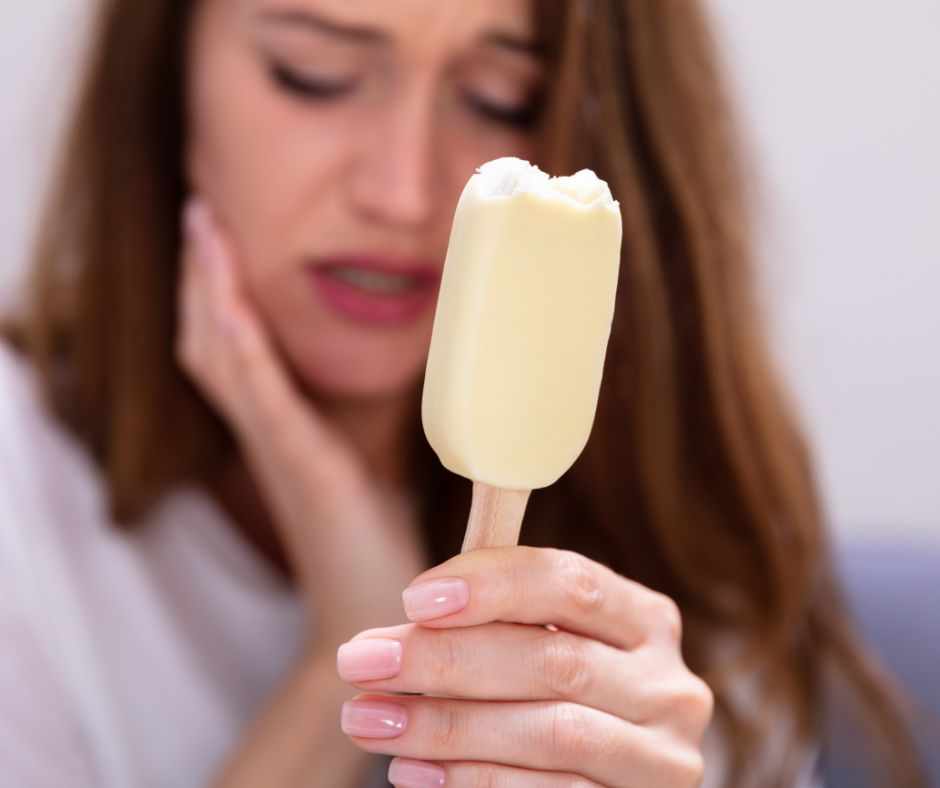
Have you ever taken a sip of chilled water or enjoyed an ice cream, only to feel a sudden sharp pain in your teeth? You are not alone. Many people experience teeth sensitive to cold, and it is one of the most common reasons they visit a dentist. The good news is that this issue can be treated once you understand what is causing it.
At Dr. Saket Dental Makeover in Indirapuram, we help patients understand why their teeth are sensitive to cold and provide effective solutions for lasting relief. Whether you are searching for the best dentist near me or need specialized care, our experienced team is here to help. In this guide, we explain the common reasons behind tooth sensitivity and what you can do to find relief.

What Is Tooth Sensitivity to Cold?
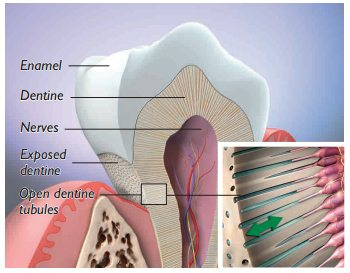
Tooth sensitivity to cold usually feels like a short, sharp pain triggered by something cold, hot, sweet, or even touch. It happens when the inner layer of your tooth, called dentin, becomes exposed. Once this protective layer is compromised, temperature changes reach the nerves inside the tooth, causing discomfort.
Many patients are surprised to learn that teeth sensitive to cold often signal an underlying dental issue that needs professional attention from an experienced dentist.
Common Reasons Your Teeth Are Sensitive to Cold
Understanding why teeth are sensitive to cold helps you take preventive steps and seek appropriate treatment from the best dentist near me.
1. Enamel Wear and Erosion
Enamel is the strong outer cover that protects your teeth. Over time, it can wear down due to:
Brushing too hard with excessive pressure
Using a hard-bristle toothbrush
Consuming acidic foods and drinks (soda, citrus juices)
Teeth grinding or Cleaning
Once enamel thins out, cold sensations easily reach the inner nerves, causing sharp pain. A qualified dentist can recommend fluoride treatments and protective measures to strengthen your enamel.
2. Tooth Decay and Cavities
Cavities create holes in the enamel and expose sensitive areas of the tooth. This is why people with untreated decay often feel sharp pain while consuming cold foods. Early detection and treatment from a dental professional prevents sensitivity from worsening and avoid more invasive procedures.
3. Gum Recession
Gums can pull back due to aging, brushing incorrectly, or gum infection. When gums recede, they expose the root surface of the tooth, which is naturally more sensitive and lacks protective enamel. Professional treatment may include deep cleaning, gum therapy, or surgical procedures to restore gum coverage.
4. Cracked or Fractured Tooth
A tiny crack in a tooth can allow cold temperatures to reach the nerve, causing sudden pain. Cracks often develop from biting hard objects, trauma, or grinding teeth. If not treated early, cracks may worsen and lead to serious complications. Your dentist can seal cracks with bonding or crowns.
5. Dental Treatment After-Effects
Some dental procedures, like fillings, crowns, or teeth whitening in Indirapuram, may cause temporary teeth sensitive to cold. This usually settles within a few days to two weeks. If sensitivity persists, contact your dental clinic to rule out complications.
6. Grinding or Clenching Teeth (Bruxism)
Many people grind their teeth unknowingly, especially at night. This weakens enamel and leads to significant sensitivity. A professional dentist can provide a customized night guard that protects your teeth during sleep and prevents further damage.
Read More : Teeth Cleaning vs Whitening | What’s Better for Your Smile?
When Should You Visit the Best Dentist in Ghaziabad?
If your teeth are sensitive to cold and the discomfort lasts more than a few days, or if the pain is intense, it is important to visit a professional dentist. Delaying treatment can lead to more serious complications.
You should schedule an appointment if you experience:
Persistent sensitivity lasting more than two weeks
Sharp, shooting pain when consuming cold foods or drinks
Swollen, bleeding, or receding gums
Visible tooth damage or dark spots
Pain that disrupts your sleep or daily activities
At Dr. Saket Dental Makeover in Indirapuram, our experienced dentists will identify the exact reason behind your teeth sensitive to cold and suggest personalized treatment options. Whether you need routine care or advanced procedures, we provide compassionate, professional service.
How Dentists Treat Teeth Sensitive to Cold
Professional treatment depends on the underlying cause. Here are the most effective solutions:
1. Fluoride Application
Fluoride treatments help strengthen weakened enamel and reduce discomfort immediately. This in-office procedure provides quick relief for teeth sensitive to cold.
2. Desensitizing Toothpaste
Dentists often recommend specialized toothpaste that blocks nerve signals. With regular use, it forms a protective shield over sensitive areas.
3. Gum Treatment
If gum recession is causing sensitivity, professional cleaning or gum therapy may be needed. Procedures include scaling, root planing, or gum grafting.
4. Dental Fillings and Restorations
If a cavity or crack is detected, the dentist uses composite resin or bonding materials to seal the damaged area. This immediately eliminates teeth sensitive to cold and protects the tooth.
5. Customized Night Guard
For patients who grind their teeth, a professionally fitted night guard protects enamel during sleep and prevents further sensitivity.
6. Root Canal Treatment
If sensitivity is severe and the nerve inside the tooth is damaged, a root canal may be the best solution to eliminate pain permanently.
7. Professional Teeth Whitening with Sensitivity Management
If you want teeth whitening in Indirapuram but are concerned about sensitivity, experienced dentists use advanced techniques that minimize discomfort during and after treatment.
Read More : Root Canal Treatment in Noida – Save Your Tooth with Expert Care
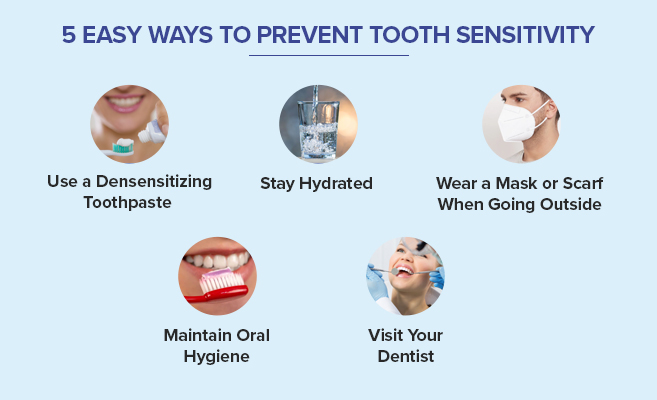
Simple Ways to Prevent Sensitive Teeth to Cold at Home
While professional treatment is essential, these home care tips help prevent sensitivity:
Use a soft toothbrush and brush gently with circular motions
Avoid very acidic drinks like soda and packaged juices
Do not grind your teeth; seek help from the best dentist near me if you notice signs
Maintain regular dental check-ups every six months
Choose toothpaste made for sensitive teeth
Rinse your mouth with water after eating citrus fruits
Limit teeth whitening frequency and follow professional recommendations
These small preventive steps can protect your enamel and reduce long-term discomfort from teeth sensitive to cold.
Why Choose Dr. Saket Dental Makeover?
When searching for quality dental care in Ghaziabad, Dr. Saket Dental Makeover stands out for:
Experienced dental professionals with expertise in treating teeth sensitive to cold
Advanced diagnostic tools for accurate identification of sensitivity causes
Comprehensive treatment options from fluoride therapy to root canals
Patient-centered care with personalized treatment plans
State-of-the-art facility in Indirapuram with modern equipment
Specialized services, including teeth whitening in Indirapuram with sensitivity management
Comfortable, compassionate environment for all patients
Final Thoughts
Teeth sensitive to cold is common, but it should not be ignored. With the right care and guidance from the best dentist in Ghaziabad, you can enjoy your favorite cold foods without hesitation or pain.
If you are experiencing persistent teeth sensitive to cold, schedule a consultation with Dr. Saket Dental Makeover in Indirapuram today. Our experienced team will diagnose the exact cause of your sensitivity and provide effective, lasting solutions.
Whether you need preventive care, restorative treatment, or teeth whitening in Indirapuram, we are here to help you achieve a healthy, confident smile.
Experiencing teeth sensitive to cold? Contact Dr. Saket Dental Makeover, Indirapuram, trusted experts serving Ghaziabad—for professional diagnosis and personalized treatment. Book your appointment today and say goodbye to sensitivity!
