oral health

teeth-sensitive-to-cold-causes-treatment-best-dentist-ghaziabad

Why Do My Teeth Hurt When I Drink Cold Water? Expert Advice from the Best Dentist in Ghaziabad

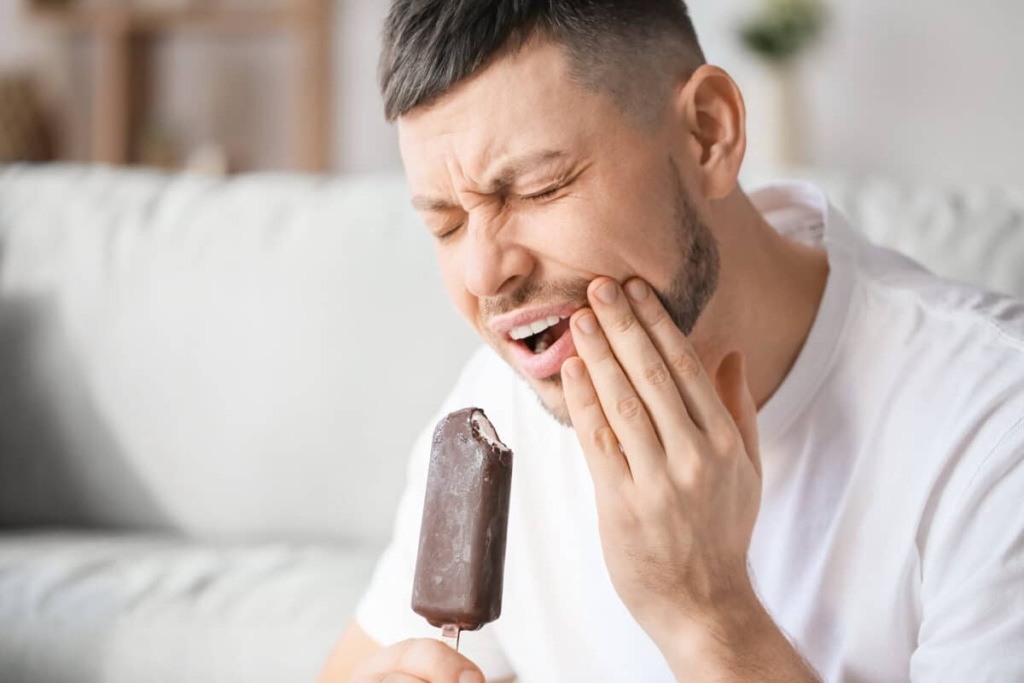
Have you ever taken a sip of chilled water or enjoyed an ice cream, only to feel a sudden sharp pain in your teeth? You are not alone. Many people experience teeth sensitive to cold, and it is one of the most common reasons they visit a dentist. The good news is that this issue can be treated once you understand what is causing it.

At Dr. Saket Dental Makeover in Indirapuram, we help patients understand why their teeth are sensitive to cold and provide effective solutions for lasting relief. Whether you are searching for the best dentist near me or need specialized care, our experienced team is here to help. In this guide, we explain the common reasons behind tooth sensitivity and what you can do to find relief.
tooth-sensitivity-cold-water-ice-cream-pain-causes

What Is Tooth Sensitivity to Cold?

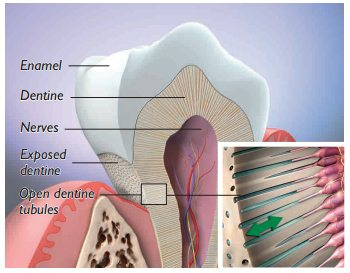
Tooth sensitivity to cold usually feels like a short, sharp pain triggered by something cold, hot, sweet, or even touch. It happens when the inner layer of your tooth, called dentin, becomes exposed. Once this protective layer is compromised, temperature changes reach the nerves inside the tooth, causing discomfort.

Many patients are surprised to learn that teeth sensitive to cold often signal an underlying dental issue that needs professional attention from an experienced dentist.
tooth-sensitivity-dentin-exposure-nerve-pain-diagram

Common Reasons Your Teeth Are Sensitive to Cold

Understanding why teeth are sensitive to cold helps you take preventive steps and seek appropriate treatment from the best dentist near me.

1. Enamel Wear and Erosion

Enamel is the strong outer cover that protects your teeth. Over time, it can wear down due to:

Brushing too hard with excessive pressure

Using a hard-bristle toothbrush

Consuming acidic foods and drinks (soda, citrus juices)

Teeth grinding or Cleaning

Once enamel thins out, cold sensations easily reach the inner nerves, causing sharp pain. A qualified dentist can recommend fluoride treatments and protective measures to strengthen your enamel.

2. Tooth Decay and Cavities

Cavities create holes in the enamel and expose sensitive areas of the tooth. This is why people with untreated decay often feel sharp pain while consuming cold foods. Early detection and treatment from a dental professional prevents sensitivity from worsening and avoid more invasive procedures.

3. Gum Recession

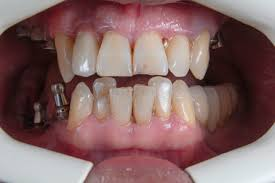
Gums can pull back due to aging, brushing incorrectly, or gum infection. When gums recede, they expose the root surface of the tooth, which is naturally more sensitive and lacks protective enamel. Professional treatment may include deep cleaning, gum therapy, or surgical procedures to restore gum coverage.

4. Cracked or Fractured Tooth

A tiny crack in a tooth can allow cold temperatures to reach the nerve, causing sudden pain. Cracks often develop from biting hard objects, trauma, or grinding teeth. If not treated early, cracks may worsen and lead to serious complications. Your dentist can seal cracks with bonding or crowns.

5. Dental Treatment After-Effects

Some dental procedures, like fillings, crowns, or teeth whitening in Indirapuram, may cause temporary teeth sensitive to cold. This usually settles within a few days to two weeks. If sensitivity persists, contact your dental clinic to rule out complications.

6. Grinding or Clenching Teeth (Bruxism)

Many people grind their teeth unknowingly, especially at night. This weakens enamel and leads to significant sensitivity. A professional dentist can provide a customized night guard that protects your teeth during sleep and prevents further damage.

Read More : Teeth Cleaning vs Whitening | What’s Better for Your Smile?
common-causes-teeth-sensitive-cold-enamel-wear-gum-recession

When Should You Visit the Best Dentist in Ghaziabad?

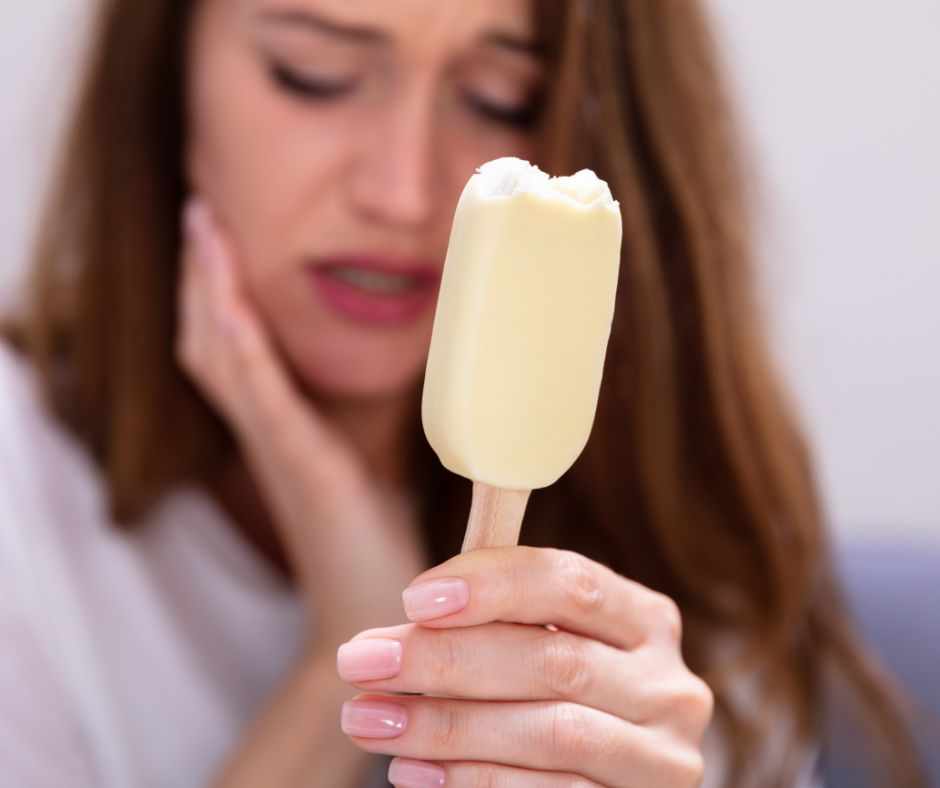
If your teeth are sensitive to cold and the discomfort lasts more than a few days, or if the pain is intense, it is important to visit a professional dentist. Delaying treatment can lead to more serious complications.

You should schedule an appointment if you experience:

Persistent sensitivity lasting more than two weeks

Sharp, shooting pain when consuming cold foods or drinks

Swollen, bleeding, or receding gums

Visible tooth damage or dark spots

Pain that disrupts your sleep or daily activities

At Dr. Saket Dental Makeover in Indirapuram, our experienced dentists will identify the exact reason behind your teeth sensitive to cold and suggest personalized treatment options. Whether you need routine care or advanced procedures, we provide compassionate, professional service.
when-visit-dentist-tooth-sensitivity-cold-ghaziabad

How Dentists Treat Teeth Sensitive to Cold

Professional treatment depends on the underlying cause. Here are the most effective solutions:

1. Fluoride Application

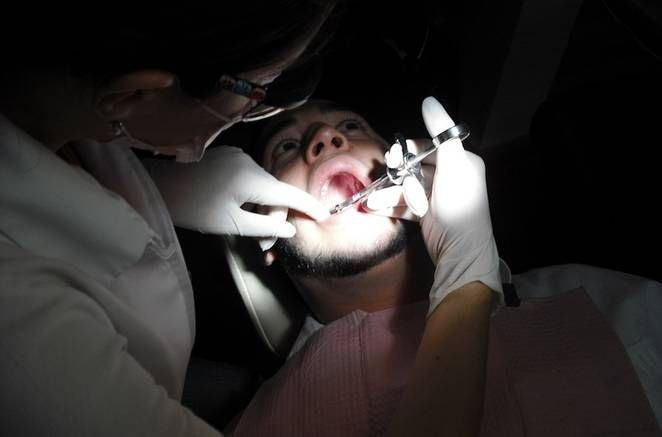
Fluoride treatments help strengthen weakened enamel and reduce discomfort immediately. This in-office procedure provides quick relief for teeth sensitive to cold.

2. Desensitizing Toothpaste

Dentists often recommend specialized toothpaste that blocks nerve signals. With regular use, it forms a protective shield over sensitive areas.

3. Gum Treatment

If gum recession is causing sensitivity, professional cleaning or gum therapy may be needed. Procedures include scaling, root planing, or gum grafting.

4. Dental Fillings and Restorations

If a cavity or crack is detected, the dentist uses composite resin or bonding materials to seal the damaged area. This immediately eliminates teeth sensitive to cold and protects the tooth.

5. Customized Night Guard

For patients who grind their teeth, a professionally fitted night guard protects enamel during sleep and prevents further sensitivity.

6. Root Canal Treatment

If sensitivity is severe and the nerve inside the tooth is damaged, a root canal may be the best solution to eliminate pain permanently.

7. Professional Teeth Whitening with Sensitivity Management

If you want teeth whitening in Indirapuram but are concerned about sensitivity, experienced dentists use advanced techniques that minimize discomfort during and after treatment.

Read More : Root Canal Treatment in Noida – Save Your Tooth with Expert Care
professional-treatment-teeth-sensitivity-fluoride-filling-ghaziabad

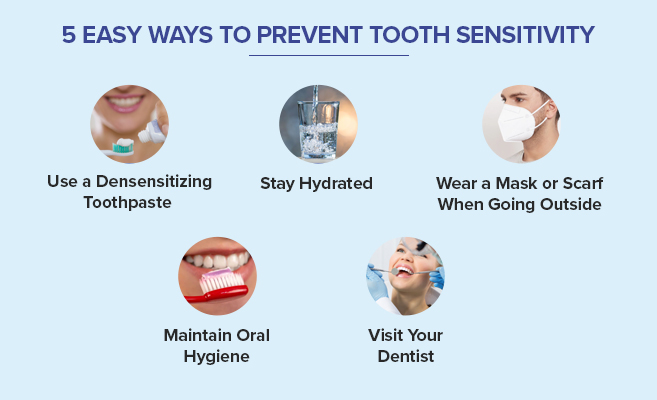
Simple Ways to Prevent Sensitive Teeth to Cold at Home

While professional treatment is essential, these home care tips help prevent sensitivity:

Use a soft toothbrush and brush gently with circular motions

Avoid very acidic drinks like soda and packaged juices

Do not grind your teeth; seek help from the best dentist near me if you notice signs

Maintain regular dental check-ups every six months

Choose toothpaste made for sensitive teeth

Rinse your mouth with water after eating citrus fruits

Limit teeth whitening frequency and follow professional recommendations

These small preventive steps can protect your enamel and reduce long-term discomfort from teeth sensitive to cold.
prevent-tooth-sensitivity-cold-home-care-tips

Why Choose Dr. Saket Dental Makeover?

When searching for quality dental care in Ghaziabad, Dr. Saket Dental Makeover stands out for:

Experienced dental professionals with expertise in treating teeth sensitive to cold

Advanced diagnostic tools for accurate identification of sensitivity causes

Comprehensive treatment options from fluoride therapy to root canals

Patient-centered care with personalized treatment plans

State-of-the-art facility in Indirapuram with modern equipment

Specialized services, including teeth whitening in Indirapuram with sensitivity management

Comfortable, compassionate environment for all patients

Final Thoughts

Teeth sensitive to cold is common, but it should not be ignored. With the right care and guidance from the best dentist in Ghaziabad, you can enjoy your favorite cold foods without hesitation or pain.

If you are experiencing persistent teeth sensitive to cold, schedule a consultation with Dr. Saket Dental Makeover in Indirapuram today. Our experienced team will diagnose the exact cause of your sensitivity and provide effective, lasting solutions.

Whether you need preventive care, restorative treatment, or teeth whitening in Indirapuram, we are here to help you achieve a healthy, confident smile.

Experiencing teeth sensitive to cold? Contact Dr. Saket Dental Makeover, Indirapuram, trusted experts serving Ghaziabad—for professional diagnosis and personalized treatment. Book your appointment today and say goodbye to sensitivity!
top-10-dental-myths-dentist-explaining-truth-to-patient-in-clinic-dr-sakets-dental-makeover

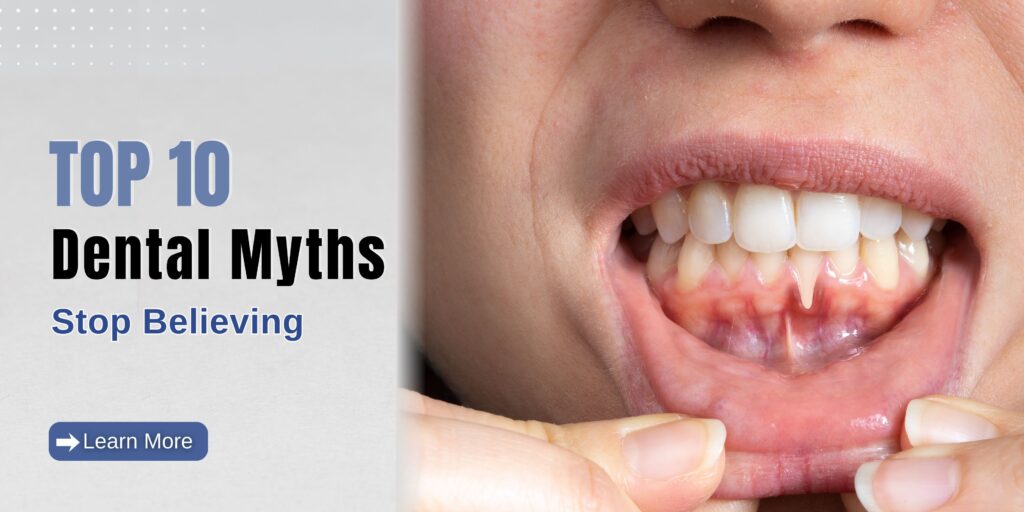
Top 10 Dental Myths to Stop Believing | Dr. Saket

Have you ever stopped to question whether that “helpful” dental advice passed down by a family member is actually true? With old traditions, half-heard tips, and viral social media trends everywhere, people often pick up mixed messages about oral care. Unfortunately, following these common dental myths can lead to preventable problems such as tooth decay, gum disease, bad breath, and even expensive dental treatments later on.

This guide clears the confusion. It explains why dental myths spread so quickly and breaks down ten of the most common myths using simple, accurate, evidence-based facts. Understanding the truth behind these myths is the first step toward smarter choices and better long-term oral health.

Top 10 Dental Myths You Should Stop Believing

The most important thing to understand is this: many common dental myths are not just harmless beliefs. They can delay treatment, increase pain, and even lead to tooth loss. When patients follow dental myths instead of real advice from a dentist, they risk their oral health and overall well-being. That’s why the team at Dr. Saket’s Dental Makeover focuses on educating patients and clearing these dental myths in a simple, friendly way.

10 Common Dental Myths Debunked

Myth 1: “Brushing harder cleans your teeth better.”

Reality: Brushing harder does not clean better; it damages the enamel and irritates gums. A soft-bristled brush, gentle pressure, and proper technique are enough to remove plaque. Dentists at Dr Saket’s Dental Makeover often see patients with sensitive teeth because of this dental myth.

Myth 2: “Sugar is the only cause of cavities.”

Reality: Sugar is a big factor, but it’s not the only one. Cavities form when bacteria feed on leftover food and produce acids that attack the tooth surface. Sticky snacks, acidic drinks, poor brushing habits, and not visiting the dentist regularly also play a role. So, focusing only on sugar is another misleading dental myth.

Myth 3: “If my gums bleed, I should stop flossing.”

Reality: Bleeding gums are usually a sign of inflammation, not a sign to stop flossing. In fact, gentle and regular flossing helps clean between teeth and reduce gum bleeding over time. Stopping flossing allows more plaque to build up and can make the problem worse.

Myth 4: “If my teeth look healthy and don’t hurt, everything is fine.”

Reality: Many dental problems start silently. Cavities, gum disease, and early infections often don’t cause pain at first. By the time pain appears, the issue may be advanced. This dental myth leads people to skip regular check-ups. Dentists at Dr Saket’s Dental Makeover often detect hidden problems during routine exams long before they become painful.

Myth 5: “Baby teeth don’t matter they fall out anyway.”

Reality: Baby teeth act like guides for permanent teeth, helping in proper chewing, speech development, and jaw growth. If baby teeth decay or fall out prematurely, it can lead to crowding or misalignment later. Treating baby teeth properly is essential, and ignoring them because of this dental myth can create big problems for a child’s future smile.

Myth 6: “Chewing gum can replace brushing.”

Reality: Sugar-free chewing gum can help increase saliva and reduce food particles, but it can never replace brushing and flossing. Gum does not remove sticky plaque from tooth surfaces and gum lines. It may freshen breath for a short time, but relying on this dental myth leads to poor cleaning.

Myth 7: “White teeth are healthy teeth.”

Reality: Colour is not the full story. Teeth can be naturally slightly yellow and still be strong and healthy. At the same time, very white teeth may still have cavities or gum disease. Only a dental check-up can tell if teeth are truly healthy. Believing this dental myth can make people focus only on whitening, not on real oral health.

Myth 8: “Charcoal toothpaste is safer and better for whitening.”

Reality: Charcoal toothpaste is often harsh and abrasive. It can wear down enamel, making teeth more sensitive and even more yellow over time because the inner layer becomes exposed. Many charcoal products are not tested or recommended by dentists. This popular dental myth can quietly harm the smile instead of improving it.

Myth 9: “You should brush right after eating.”

Reality: Brushing immediately after eating acidic foods or drinks (like citrus fruits or soft drinks) can push the acid deeper into the enamel and weaken it. Dentists usually suggest waiting about 30 minutes, rinsing with water first, and then brushing. This helps protect enamel and keep teeth strong.

Myth 10: “Rinsing after brushing is necessary.”

Reality: Many people rinse their mouths with lots of water right after brushing. This washes away the fluoride from the toothpaste that is meant to stay on teeth and protect them. Spitting out the foam but not heavy rinsing allows the fluoride to keep working longer. This simple change can greatly improve protection against cavities and is a helpful correction to a common dental myth.

Your Oral Health and Your Body

Oral health is closely linked to overall health. Untreated gum disease and infections can affect blood sugar control in diabetes, increase inflammation in the body, and may be linked to heart problems. When patients follow dental myths instead of proper care, they risk more than just their teeth.

Regular check-ups at a trusted clinic like Dr Saket’s Dental Makeover help detect issues early and protect overall health, not just the smile.

How to Identify Reliable Dental Information

To avoid dental myths and confusion, patients can:

Check if the advice comes from qualified dentists or professional dental bodies.

Be cautious of “magic” home remedies that promise instant results.

Compare information on more than one trusted health website.

Ask their dentist directly during appointments.

Simple questions like “Is this safe?” or “Is this just another dental myth?” can open helpful conversations.

Frequently Asked Questions

Are dental myths harmful to oral health?

Yes. Many dental myths lead to poor habits such as aggressive brushing, incorrect cleaning methods, or delaying treatment. These can cause gum disease, cavities, and enamel erosion. Evidence-based dental care recommended by professionals like Dr. Saket’s Dental Makeover prevents these issues.

Is brushing harder better for cleaning teeth?

No. Hard brushing wears down enamel and irritates the gums. A soft toothbrush and gentle circular motions clean teeth effectively without damaging them.

Does sugar alone cause cavities?

No. Cavities form when bacteria feed on any food particles—including starchy foods and acidic drinks. Frequent snacking and poor brushing habits also increase decay risk.

Should I stop flossing if my gums bleed?

No. Bleeding gums usually mean inflammation due to plaque buildup. Gentle daily flossing helps reduce bleeding over time and keeps gums healthy.

Are white teeth always healthy teeth?

Not necessarily. A tooth can look bright and white but still have cavities or gum infections. Colour does not always reflect true oral health.

Is chewing gum a substitute for brushing?

No. Sugar-free gum can freshen breath and boost saliva flow, but it cannot remove plaque. Brushing twice a day and flossing are still essential.

Should I brush my teeth right after eating?

Not if the meal was acidic. Acidic foods and drinks soften the enamel, and brushing immediately after can cause erosion. Waiting 30 minutes protects enamel.

Do baby teeth matter if they fall out anyway?

Yes. Baby teeth help with chewing, speech, and guiding permanent teeth into proper alignment. Ignoring them can lead to spacing, crowding, and bite problems later.

Is charcoal toothpaste safe for whitening?

No. Charcoal toothpaste is abrasive and can erode enamel, causing sensitivity and long-term damage. Dentists recommend fluoride toothpaste for safe whitening.

Do I need to rinse my mouth after brushing?

No. Rinsing washes away the protective fluoride from toothpaste. Spit out the foam and avoid rinsing with water for best results.

How often should someone visit the dentist?

Most people benefit from a dental check-up every six months. Regular visits help detect problems early before they become painful or expensive.

Are dental treatments always painful?

No. Modern dentistry uses effective local anaesthesia. Most treatments, including cleanings, fillings, and root canals, are generally comfortable. At Dr. Saket’s Dental Makeover, a patient-friendly approach helps keep procedures stress-free.

Do professional cleanings make teeth loose?

No. Cleaning removes plaque and tartar that weaken the support of teeth. The process helps strengthen oral health and prevent gum disease.

Schedule Your Consultation Today

Get the Right Facts. Protect Your Smile with Expert Dental Guidance.

Now that you understand how common dental myths spread and how they can quietly harm your teeth and gums, the next step is choosing the right dental care backed by real science, not misinformation.

At Dr Saket’s Dental Makeover, patients receive clear, evidence-based advice to replace confusion with confidence. Whether you’re worried about bleeding gums, sensitivity, cavities, enamel damage, or simply want to upgrade your daily oral hygiene routine, the clinic offers personalised guidance to help you make informed decisions.

Led by Dr Saket Gaurav, the clinic focuses on modern diagnostics, gentle techniques, preventive care, and patient education. Every treatment, from routine cleaning to advanced procedures, is explained in simple terms so you know exactly what is happening and why.

Dental myths shouldn’t shape your oral habits or delay the care you truly need.
Get trusted, science-backed support tailored to your unique smile.

📞 Call: 7290053530
🌐 Visit: https://dentalmakeover.in/

Schedule your preventive dental check-up today and take the first step toward a healthier, brighter smile with Dr. Saket’s Dental Makeover.

Patient-undergoing-teeth-cleaning-vs-whitening-procedure-with-best-dentist-in-indirapuram

Teeth Cleaning vs Whitening | What’s Better for Your Smile?

Understanding the Basics: Teeth Cleaning vs Whitening

When it comes to enhancing your smile, people often confuse teeth cleaning with teeth whitening. While both make your teeth look better, they serve very different purposes.

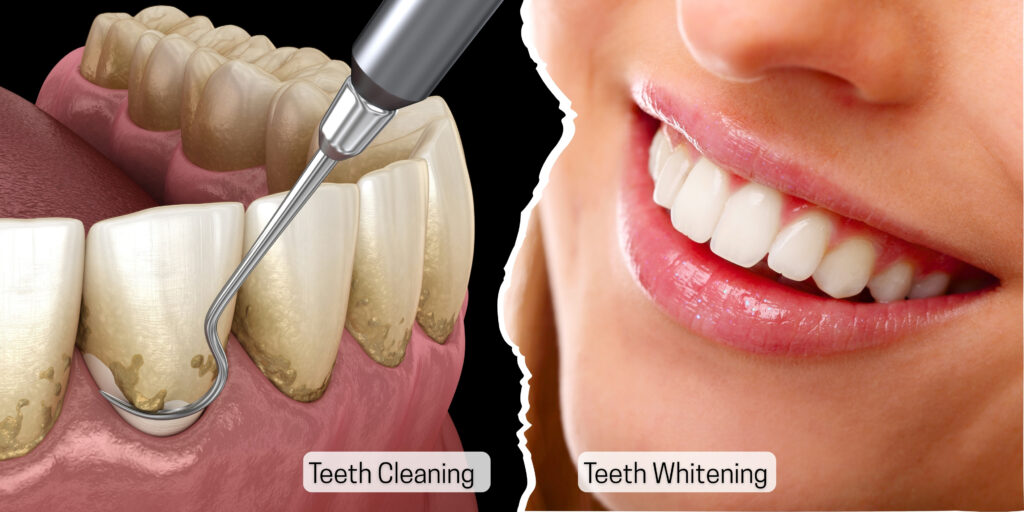
Teeth Cleaning focuses on oral hygiene — removing plaque, tartar, and bacterial buildup.

Teeth Whitening focuses on aesthetics — brightening your teeth’s natural color.

At Dr. Saket’s Dental Makeover, we help patients understand these differences clearly so they can choose the treatment that best suits their goals — whether it’s for oral health or cosmetic improvement.

What Is Professional Teeth Cleaning?

patient-receiving-professional-teeth-cleaning-at-dental-clinic-in-indirapuram-by-best-dentist-in-ghaziabad

The Purpose of Cleaning

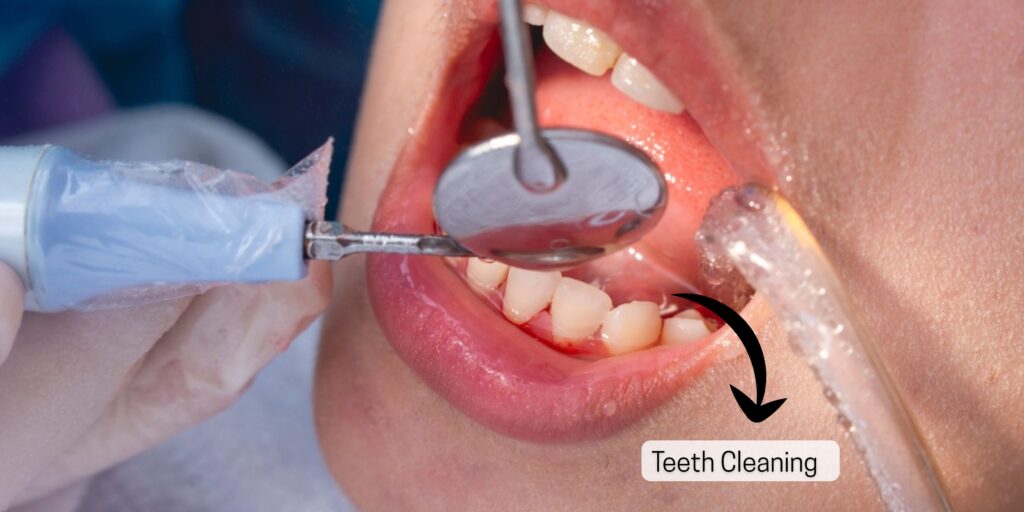
Teeth cleaning, also called scaling and polishing, is a preventive dental procedure. It removes hardened plaque (tartar) and stains that regular brushing can’t.

How It’s Done

During the procedure, the dentist uses ultrasonic instruments to gently clean the gum line and tooth surface. The process is painless and usually completed in 30–40 minutes.

Benefits of Professional Cleaning

Prevents gum disease and cavities

Reduces bad breath

Keeps gums strong and healthy

Slightly improves tooth brightness naturally.

Teeth cleaning should be done every 6 months to maintain long-term oral health and prevent gum infections.

What Is Teeth Whitening Treatment?

smile-enhancement-with-teeth-whitening-treatment-at-dental-clinic-in-indirapuram-for-brighter-white-teeth

The Purpose of Whitening

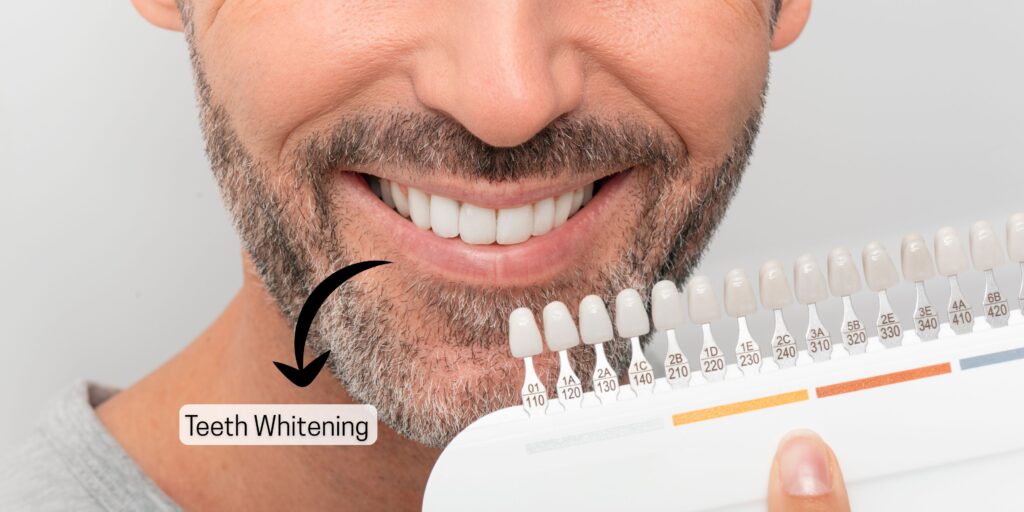
Unlike cleaning, teeth whitening is a cosmetic procedure that lightens the shade of your teeth using professional-grade bleaching agents. It targets stains caused by coffee, tea, smoking, or aging.

How Whitening Works

At Dental Makeover Indirapuram, we use safe, enamel-friendly whitening systems that gently remove deep stains and discoloration. The dentist applies a whitening gel and activates it with light or laser for visible results in one session.

Benefits of Teeth Whitening

Instantly brightens and whitens your smile.

Boosts confidence and appearance

Safe, quick, and non-invasive

Results last 1–2 years with good maintenance

Whitening is ideal for patients looking to enhance their smile for special occasions or who simply want a brighter, fresher look.

Key Differences Between Teeth Cleaning and Whitening

When it comes to teeth cleaning vs whitening, both treatments aim to improve your smile but their purposes and results are completely different.

Purpose:
Teeth cleaning focuses on oral health and hygiene, helping remove plaque, tartar, and bacteria to keep your gums and teeth healthy.
Teeth whitening, on the other hand, is purely a cosmetic treatment designed to enhance the brightness and color of your teeth.

Procedure:
During teeth cleaning, your dentist uses professional tools to remove hardened plaque and tartar from the tooth surface and below the gum line.
Whitening involves bleaching the enamel using safe, dentist-approved whitening agents to eliminate deep stains caused by coffee, tea, or smoking.

Time Required:
A professional teeth cleaning session usually takes 30 to 45 minutes, while whitening takes slightly longer — around 45 to 60 minutes depending on the method used.

Frequency:
Teeth cleaning should be done every 6 months as part of your regular dental care routine, while whitening can be repeated once every 12 to 18 months to maintain brightness.

Results:
After cleaning, your teeth feel fresh, smooth, and healthy, with improved gum health and better breath.
Whitening delivers visibly whiter teeth and a brighter smile that enhances your overall appearance.

Pro Tip:
Dentists often recommend getting your teeth cleaned before whitening, as it allows the whitening gel to spread more evenly and achieve more effective, longer-lasting results.

Which Treatment Is Right for You?

It depends on your goal:

If you want healthier gums and cavity prevention, go for teeth cleaning.

If you want a brighter smile for a special occasion, opt for teeth whitening.

For most patients, dentists recommend doing both — cleaning first, then whitening — to achieve a healthy and dazzling smile.

At Dr. Saket’s Dental Makeover, Indirapuram, we use modern ultrasonic cleaning systems and professional-grade whitening gels that deliver safe, effective, and long-lasting results.

How to Maintain Your Smile After Cleaning or Whitening

To make your results last longer, follow these aftercare tips:

Brush twice a day with a soft-bristle toothbrush

Floss daily to remove plaque between teeth

Avoid smoking and staining foods like tea, coffee, and red wine

Visit your dentist every 6 months for cleaning and check-ups

Use dentist-approved whitening toothpaste for maintenance

Your smile deserves regular care. With professional cleaning and whitening at Dental Makeover, you can enjoy both good oral health and confidence that shines.

FAQs About Teeth Cleaning vs Whitening

1. Is teeth cleaning the same as whitening?

No. Cleaning removes plaque and bacteria, while whitening lightens tooth color.

2. How often should I get my teeth cleaned?

Every six months is ideal for maintaining healthy gums and preventing decay.

3. How long does teeth whitening last?

Results typically last 1–2 years, depending on diet and oral care habits.

4. Can I get both treatments on the same day?

Yes. Many patients get cleaning first and whitening immediately after for maximum results.

5. Is teeth whitening safe for sensitive teeth?

Yes, professional whitening is safe. Your dentist may use desensitizing gels if needed.

Both teeth cleaning and teeth whitening play vital roles in maintaining a healthy, beautiful smile — one keeps your mouth healthy, and the other enhances your appearance.

If you’re unsure which treatment is right for you, visit Dr. Saket’s Dental Makeover in Indirapuram for expert guidance. Our clinic combines modern technology, painless techniques, and personalized care to help you achieve your brightest smile yet.

Book your appointment today at dentalmakeover.in

Call us now to schedule your consultation with the best dentist in Indirapuram and bring back your confident smile!

Receding gums

Dr.Saket Gaurav
B.D.S.(India), PGD.Ortho, PGDAD(Cosmetic)
International Dental Practitioner
DENTAL MAKEOVER, Delhi NCR.

Gum recession is a common dental problem that occurs gradually, so most people don’t realize they have it. It is the process in which the margin of the gum tissue that surrounds the teeth wears away or pulls back, exposing more of the tooth or the tooth’s root. When it occurs pocket or gaps are formed between the gum line, which makes it easy for disease causing bacteria to damage the tooth. The first sign of gum recession is usually tooth sensitivity, or you may notice your tooth looks longer than normal.

Reasons for receding gums

  • Aggressive brushing techniques- By brushing your teeth too vigorously, you can wear away the enamel on your teeth, and your gums will start to recede. Always use a soft or extra soft toothbrush and be gentle but thorough.
  • Tobacco products- People who chew or smoke tobacco are more likely to develop sticky plaque on their teeth which is hard to remove so therefore can lead to gum disease. The chemicals also damage all of the soft tissues in the mouth and leads to receding gums.
  • Gum diseases-Bacterial gum infections like periodontal disease destroy the gum tissue and the supporting bone that holds your teeth in place. These diseases cause gum recession.
  • Insufficient dental care-Inadequate brushing and flossing habits will lead to excessive accumulations of plaque and tartar on and between your teeth. The buildup of plaque and tartar irritates the gums and can cause them to recede.
  • Teeth grinding and/or clenching- By putting too much unnecessary force on your teeth you can cause the gums to recede.
  • Genetics-Some people are simply more susceptible to gum disease. Therefore, even if you are a diligent brusher and flosser, you may be predisposed to gum disease, which leads to receding gums.
  • Crooked teeth or a misaligned bite-It can be much harder to keep crooked teeth clean. A misaligned bite can cause a person to put excessive forces on some teeth and minimal forces on others. Both can lead to gum recessions.
  • Lip or tongue piercings-Body jewellery can rub against your gums, which can irritate them and wear away the gum tissue.
  • Hormonal changes-For women who experience hormonal fluctuations, especially during pregnancy or menopause, their gums can become more inflamed and hence more vulnerable to receding gums.
  • Accelerated orthodontic treatment -By moving the teeth too quickly during an orthodontic treatment, the gums can start to recede, due to the body’s inability to adjust to rapid tooth movement.

Gum recession Treatment

For mild gum recession, your dentist can perform a deep cleaning also known as tooth scaling and root planning on the affected area. This procedure removes plaque and tartar that has built up on the teeth and root surfaces below the gum line. Then the exposed root area is smoothed to make it more difficult for bacteria to attach on the tooth surface. Sometimes antibiotics may be prescribed to get rid of any remaining harmful bacteria. If you have excess bone loss, then you may require gum surgery and tissue grafts to repair the damage caused by gum recession.

How to prevent gum recession

The best way to prevent gum recession is to take good care of your teeth by brushing and flossing every day and visiting your dentist every six months. If you are experiencing gum recession, your dentist may want to see you more often. Also, always use a soft-bristled toothbrush and ask your dentist to demonstrate the proper brushing technique. If you have misaligned teeth, or if you grind your teeth, discuss treatment options with your dentist. Lastly, quit smoking if you are a smoker and eat a well-balanced diet. By following these simple guidelines, you’ll enjoy a healthy smile for years to come.

Dental Emergency- What to do…

Dr.Saket Gaurav
B.D.S.(India), PGD.Ortho, PGDAD(Cosmetic)
International Dental Practitioner
DENTAL MAKEOVER, Delhi NCR

Accidents do happen and when it happen it’s important to act quickly. Head and neck region is one of the most sensitive and also the most affected area. It’s important to know what to do in a dental emergency because knowing what to do when one occurs can mean the difference between saving and losing a tooth. No matter what kind of emergency it is, it is important to see your dentist as soon as possible after the incident has occurred. Here are some do’s and don’ts; which you should do in the most common dental emergencies:

Chipped or cracked tooth: If you crack a tooth, immediately rinse your mouth with warm water to clean the area. If you chip a tooth, try and save any broken pieces. There is a strong possibility that swelling will occur, so cold compression in the affected area can be used to minimize this. Make an appointment with your dentist as soon as possible so that all the risks can be ruled out and proper steps can be taken in order to save the tooth.

Knocked out tooth: It is important to keep the tooth that has been knocked out moist at all times to keep it healthy. If you can, place it back in the tooth’s socket or inside your mouth between your check and gums. This is the best environment for the tooth to be in. If you are unable to do this, place it in a jar of milk and get to your dentist as soon as possible. There is the highest possibility of your tooth being able to be saved if you see your dentist within one hour of the incident occurring.

Jaw Fracture: If you suspect that your jaw might be broken, immediately apply a cold compress to reduce inflammation. Immediately go to your dentist or the emergency department at the hospital to get an x-ray.
Dislodged Tooth: Try to relieve pain by applying a cold compress to the outside of the mouth or by taking an over-the-counter pain medication. See your dentist as soon as possible.

Soft tissue injuries: These are injuries to the soft tissue inside your mouth such as your tongue, cheeks, lips and gums, which cause bleeding. Your first priority is to control the bleeding by rinsing out your mouth with water, applying pressure to the affected area with a moistened piece of gauze and reducing swelling by applying a cold compress. If the bleeding does not stop, go directly to your dentist or doctor and continue to apply pressure on the area until you can be treated.

For toothaches: Rinse the mouth with warm water to clean it out. Gently use dental floss to remove any food caught between the teeth. Clove oil dampen cotton pellet on the affected area also helps. If pain persists take some analgesic and see your dentist.

Investigations like x-rays may be taken to evaluate the extent of damage; also it helps in treatment planning. Few precautions can be taken like using sports guard while playing outdoor games, avoid consuming too hot or too cold food items and not using teeth to cut things or open bottles to be on safer side. Always remember, when you have a dental emergency, it’s important to visit your dentist as soon as possible.

Soft DRINKS and their effect on ORAL HEALTH

Dr.Saket Gaurav
B.D.S.(India), PGD.Ortho, PGDAD(Cosmetic)
International Dental Practitioner
DENTAL MAKEOVER, Delhi NCR.

Commonly it is called “soda” or “soft drink”, different words are used to identify a carbonated/aerated, sugary cold drink or soft drink which is available in various flavors and different brand names. The advert says drinking it is fun, happiness, fact of life, winning mantra, living mantra, the way you should be etc, etc and what not. But these carbonated/aerated soft drinks can lead to not only oral but also general health issues.

Soft drinks and packed juices are very common and easily available dietary source today, which is consumed by most of us anytime in a day or many times in a day, once consumed acids & acidic sugar products and by-products in it softens the enamel (outer most layer of the tooth) which is also supposed to be hardest and most highly mineralized substance in human body contributing to the formation of cavities on the tooth surface and also erosion of the enamel layer leading to tooth sensitivity. In certain cases, this affected enamel caused by soft drinks when combines with inefficient and improper brushing and poor oral hygiene may lead to the gum disease and tooth loss. Because of the high sugar, sodium and caffeine content in soda, it dehydrates the body and over a long period of time can cause chronic dehydration. However, the sugar-free drinks are also not very safe as the acidic potential can still cause problems like dehydration and enamel loss, but they are less harmful in comparison. It appears that increased soft drink consumption is a major factor that contributes to obesity, kidney damage, osteoporosis, elevated blood pressure (on regular use). Soft drinks also have long been suspected of leading to lower calcium levels and higher phosphate levels in the blood. When phosphate levels are high and calcium levels are low, calcium is pulled out of the bones, which causes weakening of the bones.

Soft drink consumption has increased dramatically across the world, especially among children and teenagers. Everyone in spite of their age and gender can be benefitted from reducing the number of soft drinks they consume. Beverages containing less sugar and acid such as water, milk and 100 percent pure fruit juice, fresh juice is even better. Drink them yourself and encourage everyone including kids to do the same. Never drink soft drinks empty stomach as they may harm the gastric mucosa (inner layer of the stomach). Ask your dentist about fluoride application in the form of a foam, gel or rinse, which can be done for all age groups. Make sure that after consuming a soft drink, you flush your mouth with water to remove acids and save tooth from getting exposed to acids for too long. Since, fluoride reduces cavities and strengthens tooth enamel, so brush with fluoride-containing toothpaste. Also rinsing with a fluoride mouthwash also can help. Your dentist can recommend a higher fluoride containing toothpaste depending on the severity of the problem.

Which is the better toothbrush: Electric or manual?

Dr.Saket Gaurav
B.D.S.(India), PGD.Ortho, PGDAD(Cosmetic)
International Dental Practitioner
DENTAL MAKEOVER, Delhi NCR.

From the time we’re young, we’re taught that using a toothbrush regularly is one of the best ways to keep our teeth and gums healthy. But which toothbrush is best?

The earliest toothbrushes were actually small twigs people rubbed against their teeth to get rid of food bits and other pieces of debris. Over hundreds of years it evolved, beginning to feature bristles made from boar’s hair. In the late 1930s, when toothbrushes with nylon bristles were first invented, consumers choosing a toothbrush didn’t have many options. Now, the story’s completely different. Most stores that sell oral hygiene products now have an extensive collection of different types of toothbrushes on their shelves, including manual (disposable) and powered (electric) varieties.

Let’s take a look at the Pros and Cons of the two and find out.

Manual Toothbrush
Pros

  • Thoroughly clean teeth with proper brushing technique. Brushing only takes 2 minutes and you can most definitely keep your teeth at a grade A+ level with a manual toothbrush.
  • Multiple toothbrush styles, bristles, heads and colors to choose from. You have the ability to choose soft bristles if you have sensitive gums, and a smaller head if you have a smaller mouth. Some brands even make special prints on toothbrushes for children. Nevertheless, you’ll never be short of options with manual toothbrushes.
  • Easy to travel with. All you need is a toothbrush case and you’re all set to go for your trip. No need to worry about batteries or charging outlets.
  • No batteries or charging.
  • Inexpensive and often free whenever you make a trip to your dentist. Keep in mind that you should ditch your toothbrush after about 3 months of use.

Cons

  • More work.
  • No timing. Manual toothbrushes require you to guess how long your brushing session will last (unless you set a two-minute timer).

Electric Toothbrush
Pros

  • Easy to use. With a powered toothbrush, all you need to do is place the toothbrush at a 45° angle and let the toothbrush do all the work.
  • Less work for better results. Studies have shown that electric toothbrushes do a better job of cleaning your mouth and removing plaque and debris.
  • More fun to use for children. Children like to take the easy way out on chores. If a child never brushes their teeth because they don’t want to, try having them use an electric toothbrush. It’s less work, it tickles their teeth, and the timer will let them know they’re all done! It’s a lot easier (and more fun).
  • Built in timer. Electric toothbrushes use a built in timer that stops the toothbrush once two minutes are up; no more guessing!

Cons

  • Charging. You’ll either have to charge your toothbrush or replace its batteries.
  • Cost. Electric toothbrushes cost significantly more than a manual toothbrush. There are several types of powered toothbrushes but be prepared to pay more than you usually do.
  • Not as easy to travel with. Traveling with an electric toothbrush can be a hassle. They are bulky and bringing a charger along doesn’t help with room constraints.
  • Easy to break. Dropping your toothbrush can be fatal. You have to be more careful whenever using an electric toothbrush.

One last thing to point out: there have been a few studies that prove electric toothbrushes remove statistically significant more plaque compared to manual toothbrushes and are better at fighting gum disease. Despite the studies, your oral health will remain healthy (despite which type of toothbrush you use) as long as you consistently take care of your teeth. If you are on the fence of buying a powered toothbrush, talk to your dentists the next time you go for a checkup.